
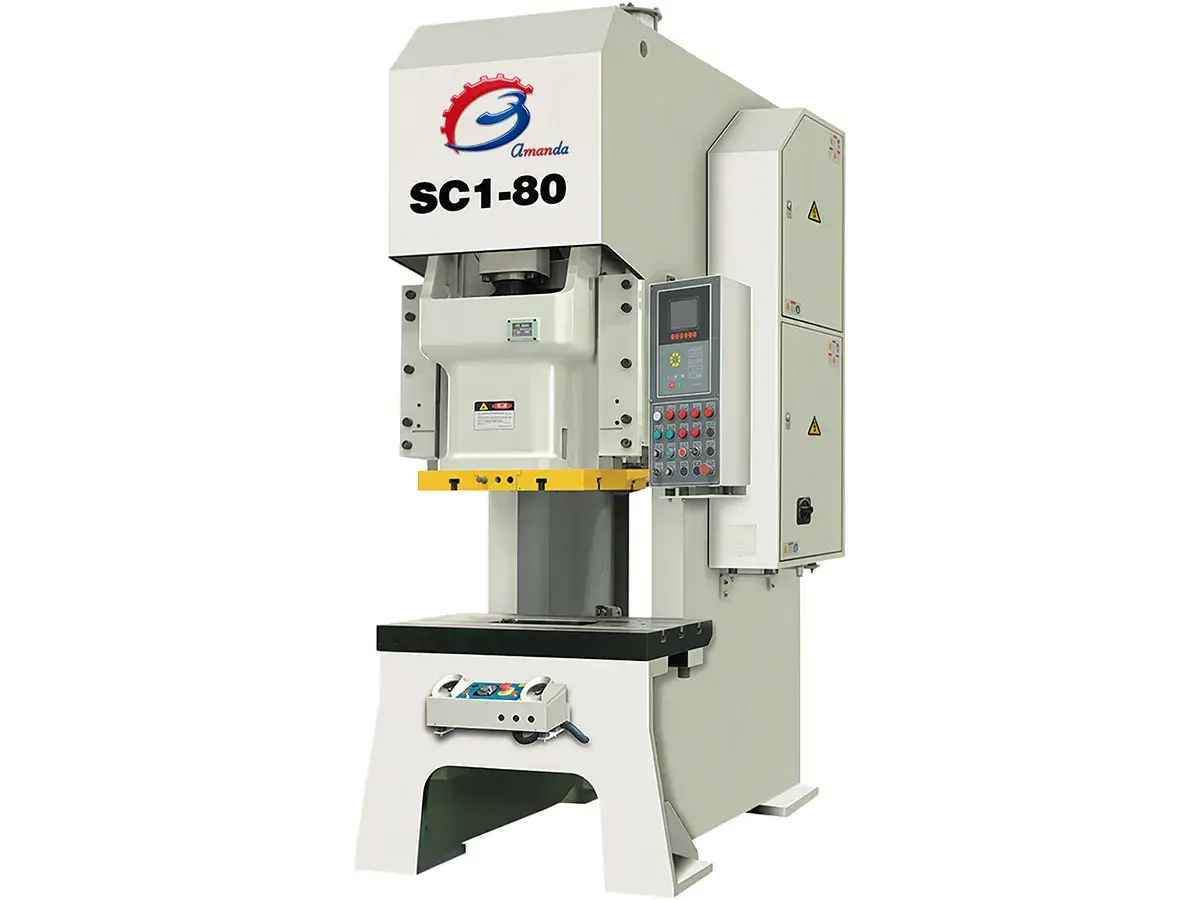
Servo Press, SC1 Series
The servo stamping press machine is suitable for stamping application scenarios that require higher processing control accuracy, and is especially good at processing complex-shaped parts and difficult-to-form materials. Instead of following a fixed motion, it allows the movement of the press to be adjusted during each stroke, giving you more flexibility to match different production needs. This makes it easier to maintain consistent results while adapting to a wider range of forming conditions, particularly for complex parts and difficult-to-form materials.
Technical Specifications
| Model | Unit | |
|
|
|
|
| Capacity | Tons | 25 | 35 | 45 | 60 | 80 |
| Rated Tonnage Point | mm | 3.2 | 3.2 | 3.2 | 4 | 5 |
| Stroke Length | mm | 60 | 70 | 80 | 120 | 150 |
| Strokes Per Minute | spm | 0~140 | 0~120 | 0~100 | 0~90 | 0~65 |
| Die Height (S.D.A.U) | mm | 200 | 220 | 250 | 310 | 340 |
| Slide Adjustment | mm | 50 | 55 | 60 | 75 | 80 |
| Slide Area | mm | 470×220 | 520×250 | 560×300 | 700×360 | 770×420 |
| Bolster Area | mm | 680×300 | 800×400 | 850×440 | 900×500 | 1000×550 |
| Shank Hole | mm | ∅38 | ∅38 | ∅38 | ∅50 | ∅50 |
| Slide Adjustment | - | Manual | Manual | Manual | Manual | Electric |
| Precision Standard | - | GB/T 23280(JIS 1 class) | GB/T 23280(JIS 1 class) | GB/T 23280(JIS 1 class) | GB/T 23280(JIS 1 class) | GB/T 23280(JIS 1 class) |
Features
-
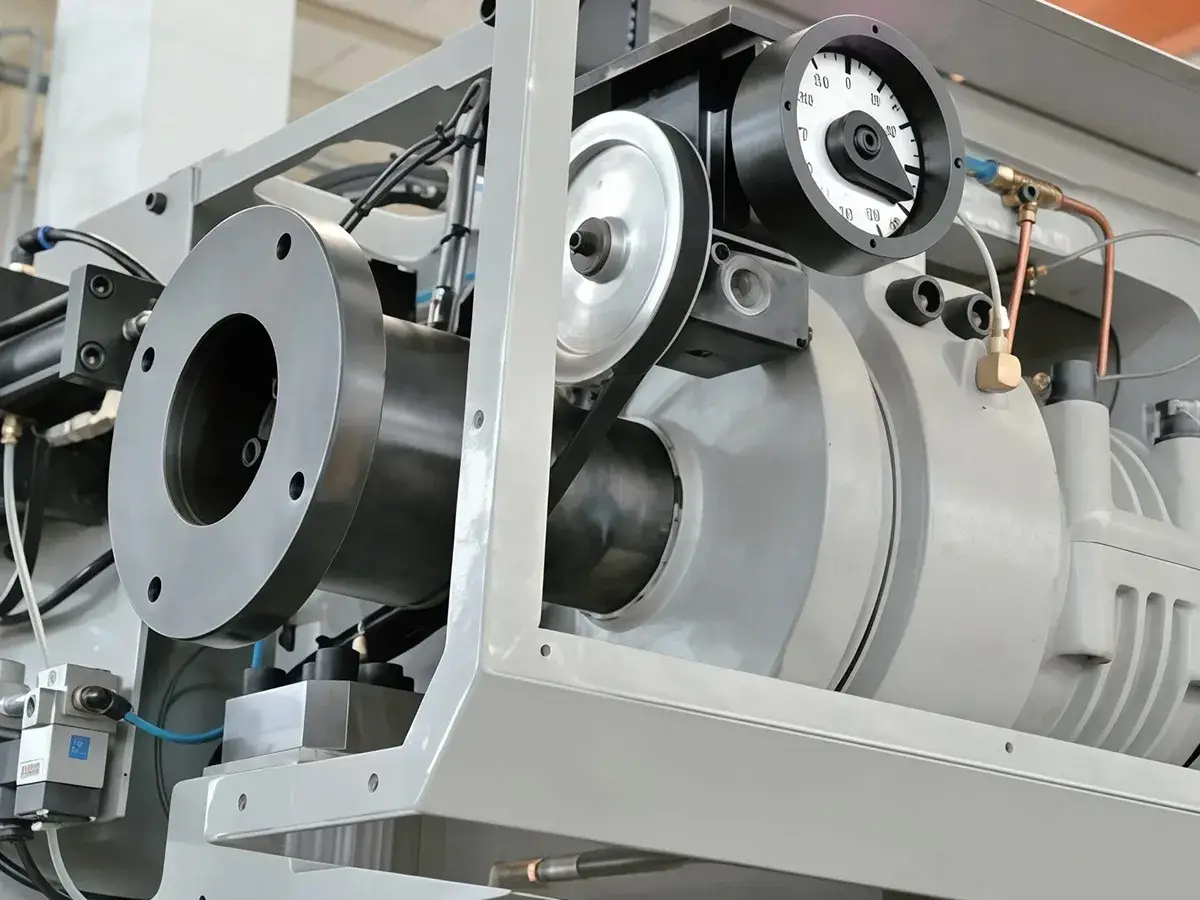
Direct-Drive Servo System with High Precision
The servo drive system delivers positioning accuracy exceeding JIS Grade 1, ensuring consistent part quality and repeatability. The programmable control of motion enables precise adjustment of speed, position, and force during each stroke. -
Handwheel Control for Easy Setup
Equipped with a manual handwheel, the press allows fine adjustment during die setup and trial operations, improving convenience and reducing setup time. -
Programmable Stamping Curve
The press motion profile can be programmed to suit different materials and forming requirements, helping improve formability and reduce stress on both the material and tooling. -
Tooling Data Management System
Multiple sets of die parameters can be stored within the system database, simplifying changeover and reducing downtime during production adjustments.